
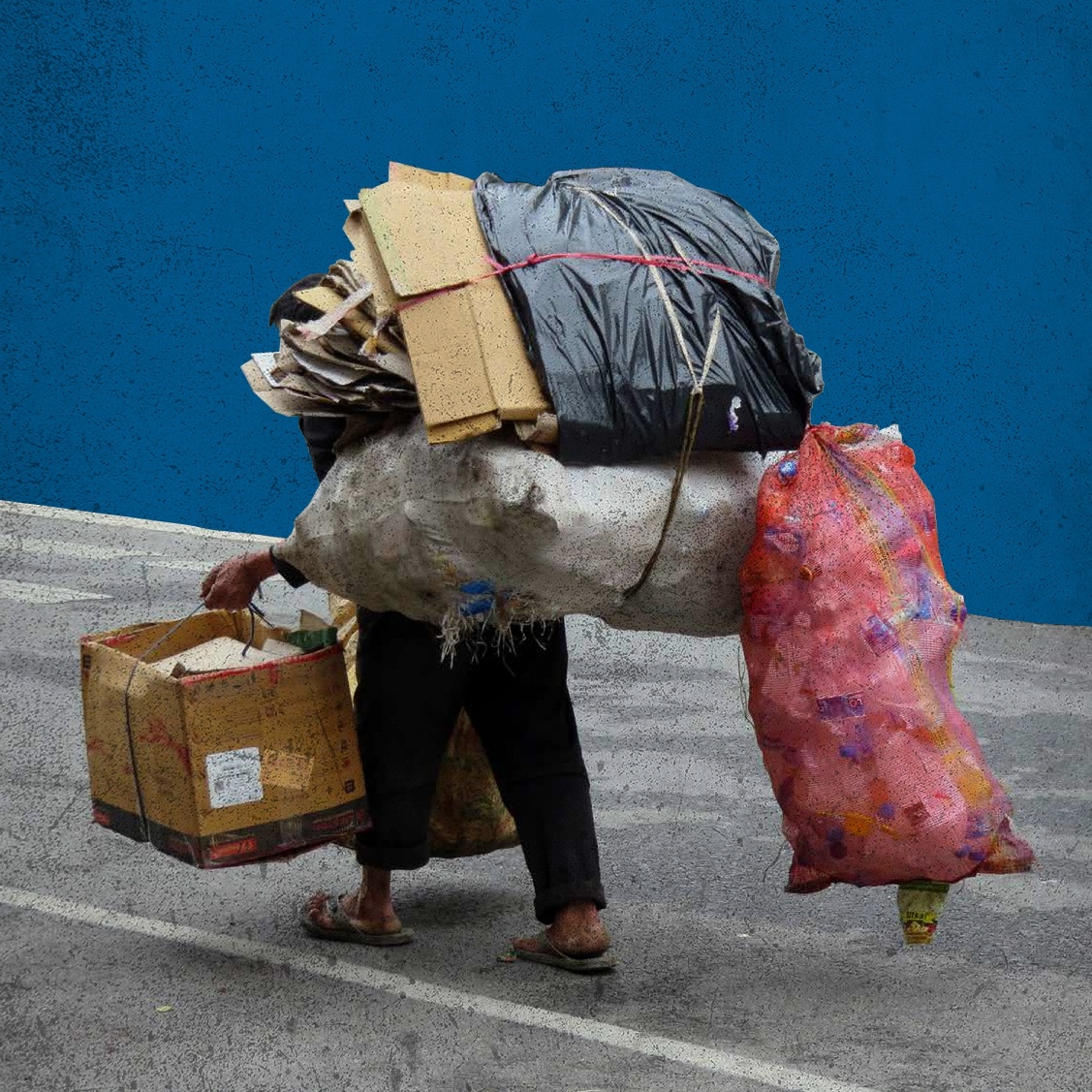
The new plastic pollution internationally legally binding instrument – whatever it will be – will affect the working lives of millions globally, especially in the informal sector. Almost 60% of plastic waste is recycled informally. A successful instrument cannot ignore this tremendous fraction of waste and those who handle it. This paper serves to inform the UN Environmental Assembly in its formulation of the upcoming policy to address not only the full life cycle of plastics but also the full scope of people it affects – notably, the invisible yet critical informal sector. The paper was written in collaboration with fellow ISWA Women of Waste Task Force members and advisors and commissioned by GRID-Arendal with the support of NORAD. It was developed in cooperation with USAID, WIEGO, and ISWA.